
 En
En  Укр
Укр 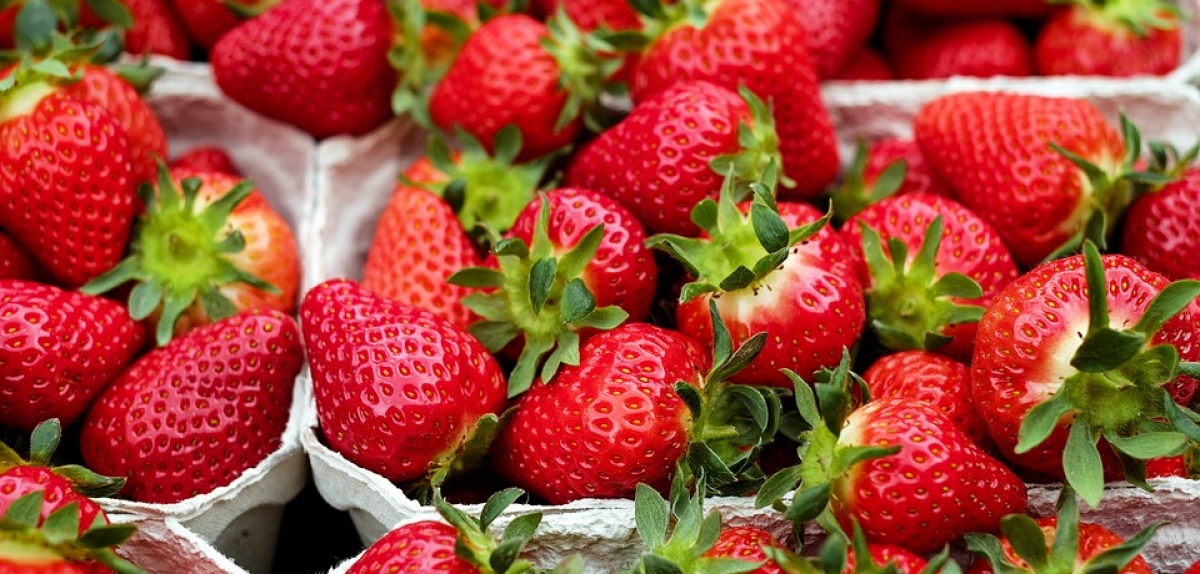

This website was created with support of ITC 'Eastern Partnership: Ready to Trade - an EU4Business initiative' project funded by the EU as part of EU4Business Initiative. Read more: https://eu4business.eu




Mytropolyta A. Sheptytskoho Str. 4, BC KOMOD, of. 49, Kyiv, 02002, Ukraine
In 2025, berry and vegetable production is no longer just about soil, sun, and seasons. It is about designing plants, managing microclimates, replacing guesswork with data, and extending freshness long after harvest. Across the world—and increasingly in Ukraine—growers are moving from reactive farming to systems that are engineered, monitored, and optimized end to end.What follows is not a list of gadgets, but a look at how the entire production chain is being reshaped—and why these changes matter particularly for Ukraine’s role in global food markets.
From breeding by chance to breeding by design
For decades, improving berries and vegetables meant slow selection cycles and a great deal of luck. In 2025, that paradigm is shifting. Researchers demonstrated precise CRISPR gene editing in strawberry—one of the most genetically complex fruit crops. This may sound like genetic modification, but it is fundamentally different from classic GMOs: instead of inserting foreign DNA, these techniques fine-tune the plant’s own genes in ways that could also occur naturally, just far more slowly. For strawberries—fragile, heatsensitive, and short-lived—this opens the door to targeted improvements in firmness, color stability, shelf life, and disease resistance.
At the same time, commercial breeding programs are releasing new disease-resistant, day-neutral strawberry varieties designed for organic and low-input systems. These cultivars reflect a broader shift: genetics are no longer shaped only for yield, but for real production realities—labor shortages, chemical restrictions, climate stress, and export logistics.
Source: OUP Academic
Heat-tolerant lettuce for climate resilience
Vegetables are following a similar path. Heat-tolerant lettuce varieties tested in 2025 directly address a growing problem: leafy greens are among the first crops to fail during heat waves. Breeding for climate resilience is becoming less about distant future scenarios and more about surviving the next season.
For Ukraine, these developments are not abstract. As temperatures rise and export markets demand consistency, genetics— especially non-GMO precision breeding—are becoming a frontline tool for competitiveness.
How crops are grown is changing as fast as what is grown
While genetics define potential, growing systems determine whether that potential is realized. In 2025, production environments are becoming increasingly controlled—and increasingly intelligent.
One of the clearest signals came with the commercialization of vertical strawberry farming. Indoor, stacked systems growing berries year-round once sounded unrealistic due to cost and complexity. Yet commercialscale operations launched in 2025 show that for high-value, fragile crops, full environmental control can make sense— especially near urban markets.
Source: totalnews Plenty
Greenhouse systems start “listening” to plants
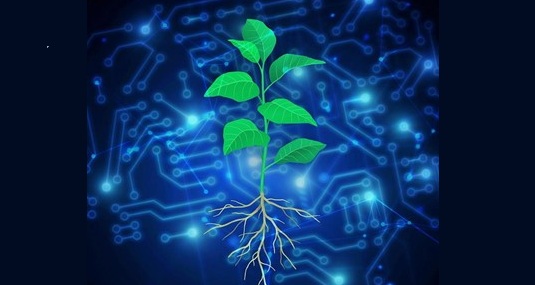
Even in conventional greenhouses, control is no longer limited to air temperature and humidity. New systems now incorporate plant-response signals—essentially allowing the crop itself to inform climate decisions. Instead of reacting after stress occurs, growers can adjust conditions based on how plants are actually responding. Source: Gardin Researchers are also creating digital twins of strawberry greenhouses—virtual replicas that model airflow, temperature gradients, and plant responses in three dimensions. By using artificial intelligence to decide where sensors matter most, these systems promise tighter control at lower cost.
Source: MDPI
For Ukrainian growers transitioning from basic tunnels to modern greenhouses, this evolution offers a shortcut: fewer mistakes, faster learning, and more predictable results.
Automation moves from novelty to necessity
Few areas reveal pressure points as clearly as labor. Berry harvesting, in particular, remains one of the most labor-intensive activities in agriculture. In 2025, robotic strawberry harvesters crossed a symbolic threshold: in commercial trials, they achieved picking rates comparable to human workers.
This does not mean farms will suddenly become worker-free. It does mean harvest planning is changing. Robots do not get tired, do not miss shifts, and can work at night— factors that increasingly matter in tight labor markets like Ukraine’s.
Source: Harvest CROO Robotics image dogtooth
AI laser weeding expands in vegetables Drone-based AI disease detection in blueberries
Automation is also reshaping field management. AI-powered laser weeders are now capable of identifying and destroying hundreds of thousands of weeds per hour without herbicides. For vegetable growers facing herbicide resistance and rising hand-weeding costs, this technology represents a structural shift rather than an incremental improvement.
Source: Tom’s Hardware
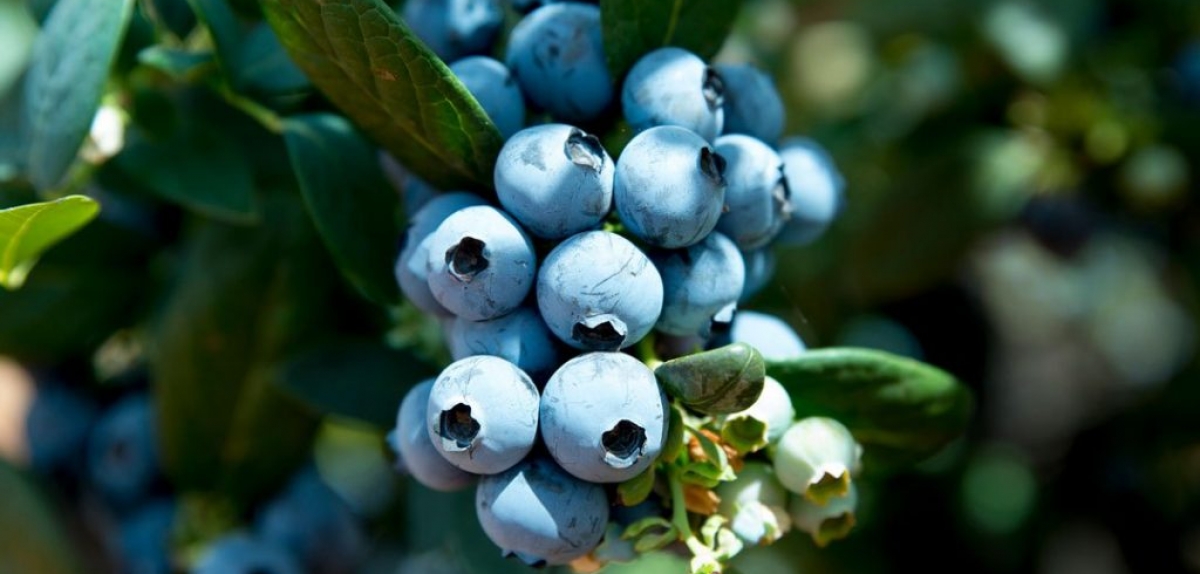
Meanwhile, drones equipped with AI models are scanning blueberry fields to detect disease patterns invisible to the human eye. Instead of walking rows and guessing, growers can now act early—before losses become irreversible. Source: Italian Berry
Together, these tools point to a future where labor is still essential, but precision replaces brute force.
A quiet transformation with strategic consequences
Taken individually, none of these innovations is a silver bullet. Together, they tell a clear story: berry and vegetable production in 2025 is becoming designed, monitored, automated, and extended.
For Ukraine, the opportunity is not to adopt everything at once, but to integrate the right technologies at the right points—genetics for resilience, smart growing systems for efficiency, automation to manage labor risk, and postharvest solutions to protect value.
Those who succeed will not simply grow more food. They will grow food that travels farther, lasts longer, and competes on quality—not just price.