
 En
En  Укр
Укр 

This website was created with support of ITC 'Eastern Partnership: Ready to Trade - an EU4Business initiative' project funded by the EU as part of EU4Business Initiative. Read more: https://eu4business.eu




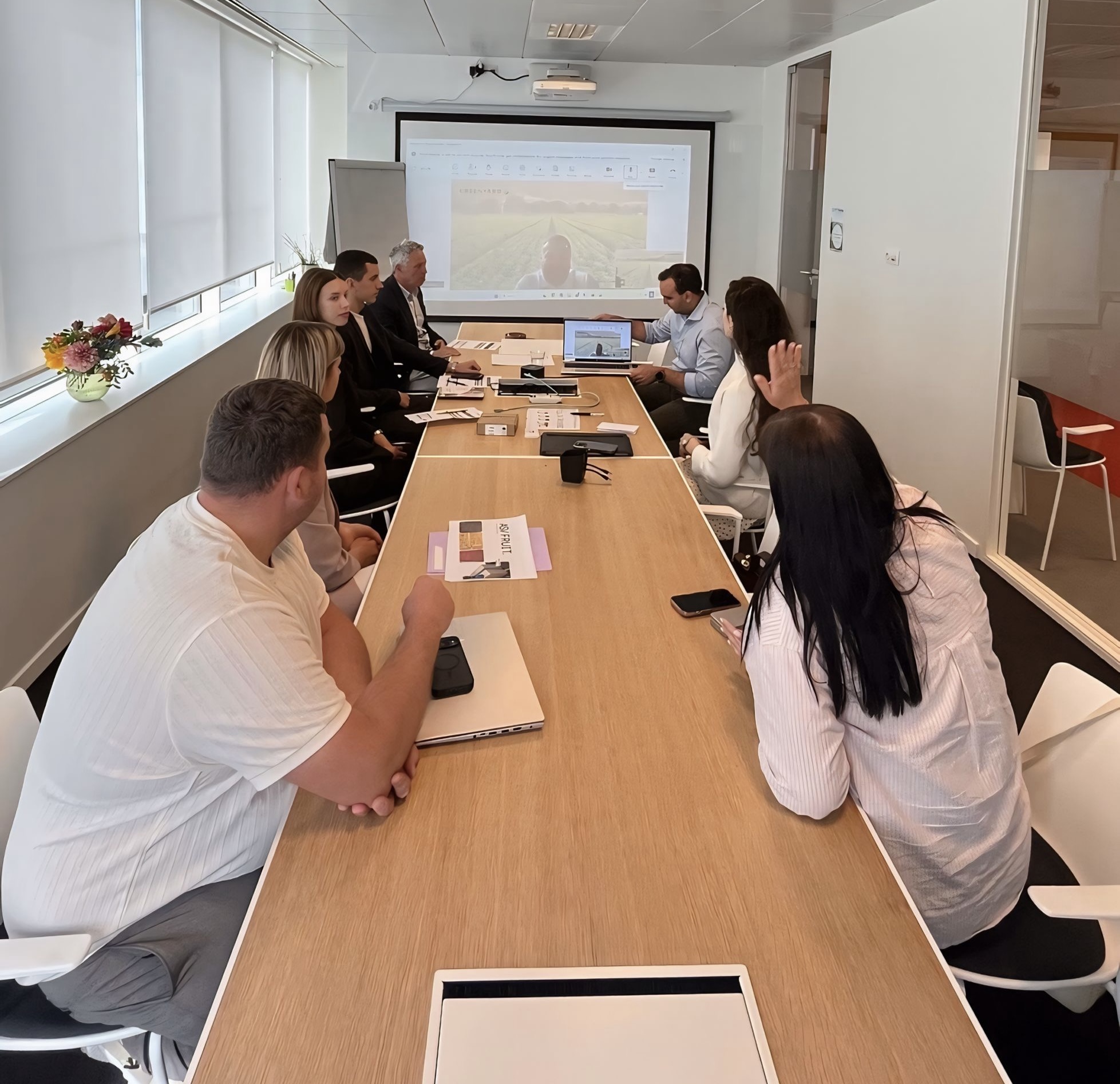
Ukraine continues to strengthen its position in the European frozen berry market. One of the strongest confirmations of this trend came during a meeting between Ukrainian berry producers and Greenyard, Europe's second-largest supplier of frozen fruits and vegetables, held as part of the marketing business mission to France on June 9–11, 2026. The mission was organized by the Ukrainian Berries Association (UBA) with the support of international partners.
Greenyard works with some of Europe's largest retail chains, including Lidl, Tesco, and Aldi. The company purchases approximately 36,000 tonnes of frozen fruit annually, more than half of which are berries. During the meeting, Greenyard representatives clearly emphasized that Ukraine remains one of their key sourcing destinations.
The discussions provided valuable insights into market expectations and highlighted the strategic directions Ukrainian producers should consider in order to strengthen their position in the EU market.
Greenyard views Ukraine as a strategic sourcing region and plans to increase procurement volumes. The company purchased more than 5,000 tonnes of Ukrainian raspberries last year and is prepared to expand its purchases further.
Key takeaway: Significant opportunities exist for export growth, particularly for companies capable of supplying stable, large-volume quantities.
Greenyard emphasized its preference for working directly with producers rather than intermediaries. Quality control, traceability, and long-term relationships are key priorities.
Key takeaway: Producers should invest in developing direct export capabilities and building relationships with buyers instead of relying solely on traders.
One of the strongest messages from the meeting was that certifications are no longer a competitive advantage—they are becoming a minimum requirement. The most important certifications include:
Key takeaway: Companies lacking internationally recognized certifications may face increasing difficulties accessing major European buyers.
Following production challenges in Serbia, European importers diversified their sourcing and increased purchases from Ukraine. However, Serbian and Polish producers are gradually recovering their production capacity.
Key takeaway: The current market opportunity will not remain open indefinitely. Ukrainian companies should focus on strengthening their market position now.
Buyers are not interested in short-term relationships where suppliers sell to whichever customer offers the highest price at a given moment.
Greenyard seeks partners that can:
Key takeaway: Reliability and consistency are increasingly valued over opportunistic sales strategies.
Raspberries continue to attract the strongest demand. Other products of interest to importers include wild blueberries, blackberries, sour cherries, and sweet cherries.
Key takeaway: Diversifying berry production can become a valuable competitive advantage and reduce dependence on a single crop.
Buyers highlighted the importance of modern sorting technologies, particularly dual laser sorting systems for raspberries.
As product quality becomes increasingly important due to the requirements of major retail chains, investments in advanced processing equipment can provide access to premium buyers and higher-value market segments.
Greenyard typically operates with payment terms of 30 days or longer. Many Ukrainian companies are accustomed to shorter payment cycles.
Key takeaway: Working with large international buyers requires sufficient working capital or access to financing solutions.
Border delays of up to five or six days continue to affect logistics and may create risks for product quality.
European buyers noted that the issue lies primarily in customs procedures rather than concerns about compliance or product quality.
Key takeaway: Improving border-crossing efficiency remains critical for maintaining competitiveness.
Greenyard manages supplier onboarding through the Cadex platform, where suppliers must provide comprehensive information regarding:
The approval process typically takes four to six weeks.
Key takeaway: Accessing large international buyers requires advance preparation, proper documentation, and sufficient lead time before the season begins.
The meeting demonstrated that Ukrainian producers have a genuine opportunity to expand their presence in the EU market. However, success increasingly depends not on low prices or one-off shipments, but on certification, traceability, consistency, product quality, and the ability to operate according to the standards of major international retailers.
Companies that invest in these areas today will be best positioned to benefit from the growing demand for Ukrainian berries in Europe.
__
* The business tour is organized by Ukrainian Berries Association within the framework of two programs:

Mytropolyta A. Sheptytskoho Str. 4, BC KOMOD, of. 49, Kyiv, 02002, Ukraine