
 En
En  Укр
Укр The EU Commission has included the revision of a Community Plant Variety Right (CPVR) regulation in its recently published IP Action Plan, in a move welcomed by plant breeding organizations.




The EU Commission has included the revision of a Community Plant Variety Right (CPVR) regulation in its recently published IP Action Plan, in a move welcomed by plant breeding organizations.
This year's Peruvian blueberry season began in June with the export of 1,010 tons worth 5 million dollars. These figures represented a 25% increase in volume and a 77% increase in value over the same month of 2019. The lower production in the northern hemisphere due to weather problems allowed producers to achieve attractive prices of $ 5.15 per kilogram in June.
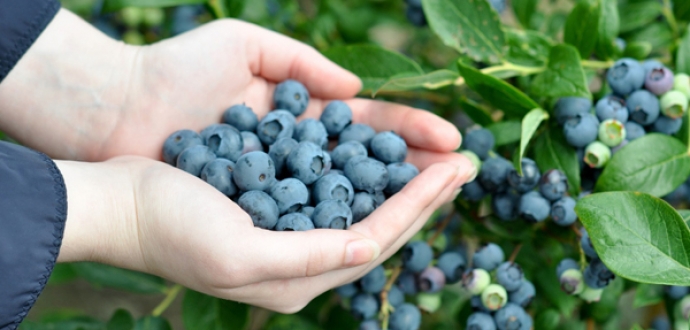
When Patricio Muñoz developed the University of Florida’s newest blueberry variety, he wanted to name the fruit in honor of Alto Straughn, a longtime, strong supporter of UF’s blueberry breeding program.
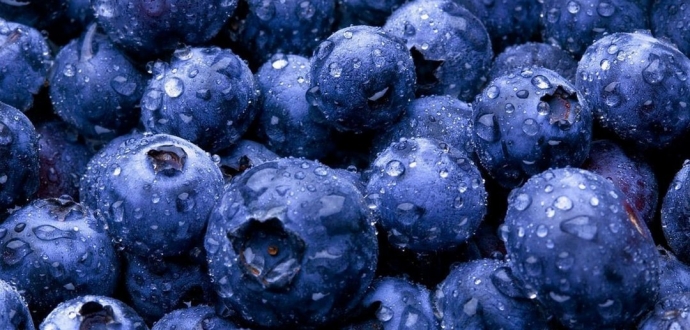
Spanish berries are among the casualties of strong winds and rain late last week that caused severe damage in parts of the province of Huelva.
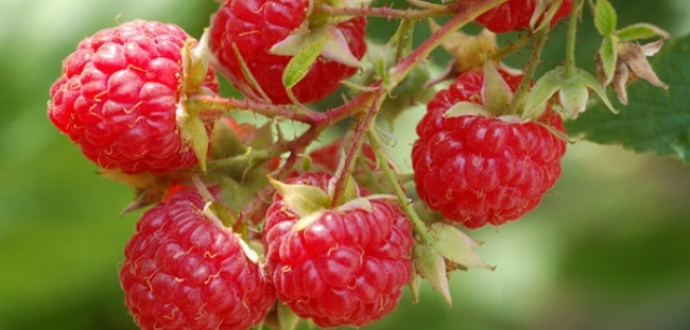
After Australia, Argentina has the second-largest certified organic area in the world. 238,000 hectares of the 3.7 million hectares under organic monitoring are destined for plant production. In this context, the cultivated area of blueberries showed important growth in the last decade, going from only 156 hectares in 2011 to 1,001 hectares in 2019.
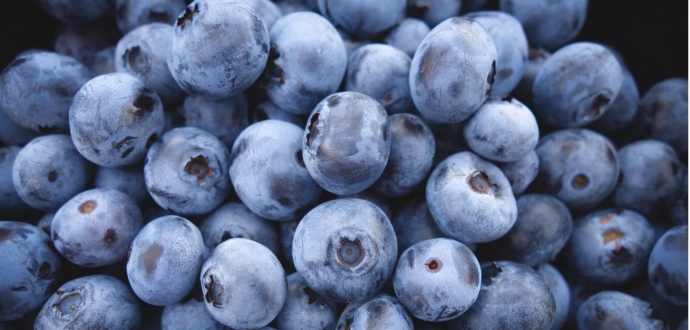
United Exports says that Dutch authorities have seized a container of OZblu blueberries that were exported from South Africa without its permission.
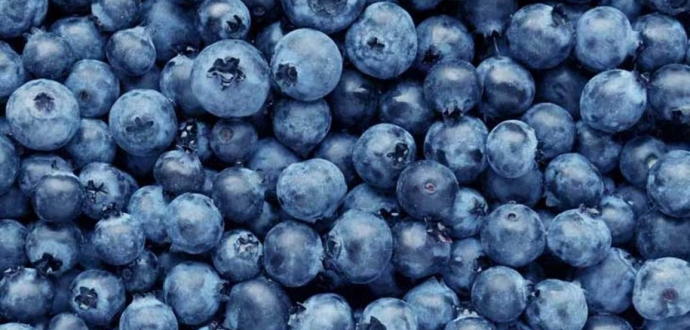
Poland is the largest producer of currants, gooseberries, raspberries and the second largest producer of strawberries in the EU. With a share of over 50%, Poland is an important EU producer of frozen fruit and soft fruit concentrated juices. Poland is the world's largest producer of currants and gooseberries, and in recent years also raspberries and the fourth in the world in apple production and fifth in strawberry production. Poland is one of the largest producers of frozen fruit and concentrated juices made of soft fruits.
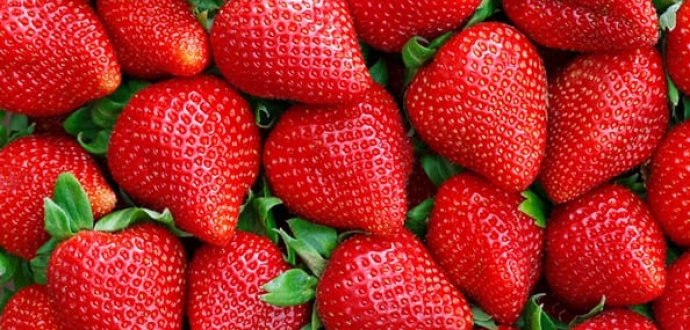
The pandemic has boosted the consumption of healthy and beneficial foods, such as fresh blueberries, and increased their demand globally. This is good news for blueberry-producing countries, which now expect to increase the volumes they will market this season and achieve better prices.
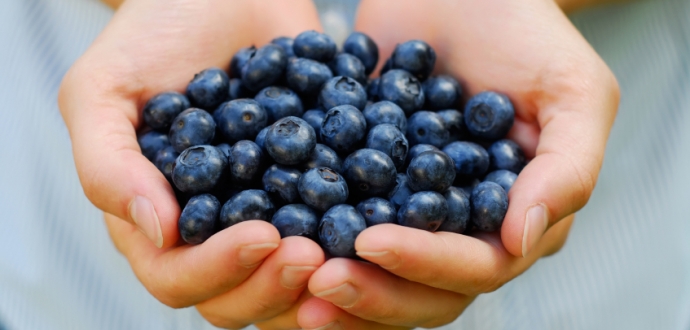
The coronavirus pandemic is strongly conditioning the development of Argentina's blueberry season. The Association of Blueberry Producers of Argentina's Mesopotamia (APAMA) developed, with the endorsement of the Stamboulian Center, which specializes in infectious disease, a special protocol for field and packaging tasks to protect its workers against possible infections. Alejandro Pannunzio, the president of APAMA, said the protocol established respiratory protection measures, as well as measures to transport the personnel, disinfect the transport units, and distribute the personnel in the fields.
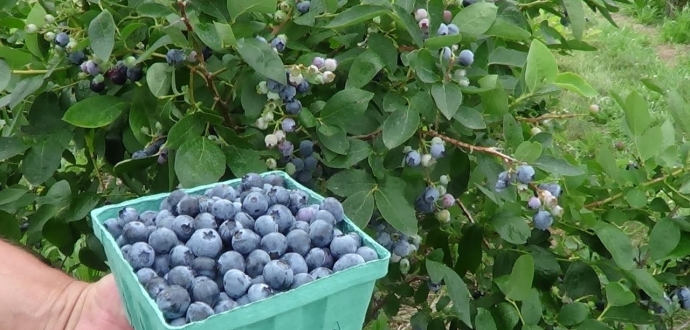
With the change in people's eating habits and lifestyles, frozen food has become a "frequent guest" in home kitchens, restaurants, and coffee shops. The new generations advocate the concept of sustainable, healthy, and greener living and are educated with the knowledge that shifting consumption towards more frozen food is one of many important steps to take to get closer to that goal. Food processors are given this task. For them, a sustainable and cost-effective solution for highly perishable and seasonable fruits and berries is IQF freezing.
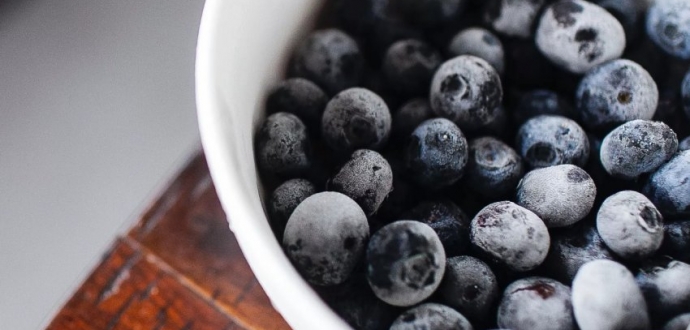
With growing investments in hi-tech orchards and logistics infrastructure, Serbia’s modernised fruit production is on the rise.

The joint work between the Ministry of Agriculture and Irrigation of Peru (MINAGRI), represented by the SENASA (National Agrarian Health Service), and the phytosanitary authorities of Taiwan, BAPHIQ (Bureau of Animal and Plant Health Inspection and Quarantine), has resulted in the opening of this Asian country to Hortifrut Peru's berry exports. Hortifrut is thus becoming the first company with berry production in Peru to ship fresh blueberries to Taiwan.

Mytropolyta A. Sheptytskoho Str. 4, BC KOMOD, of. 49, Kyiv, 02002, Ukraine